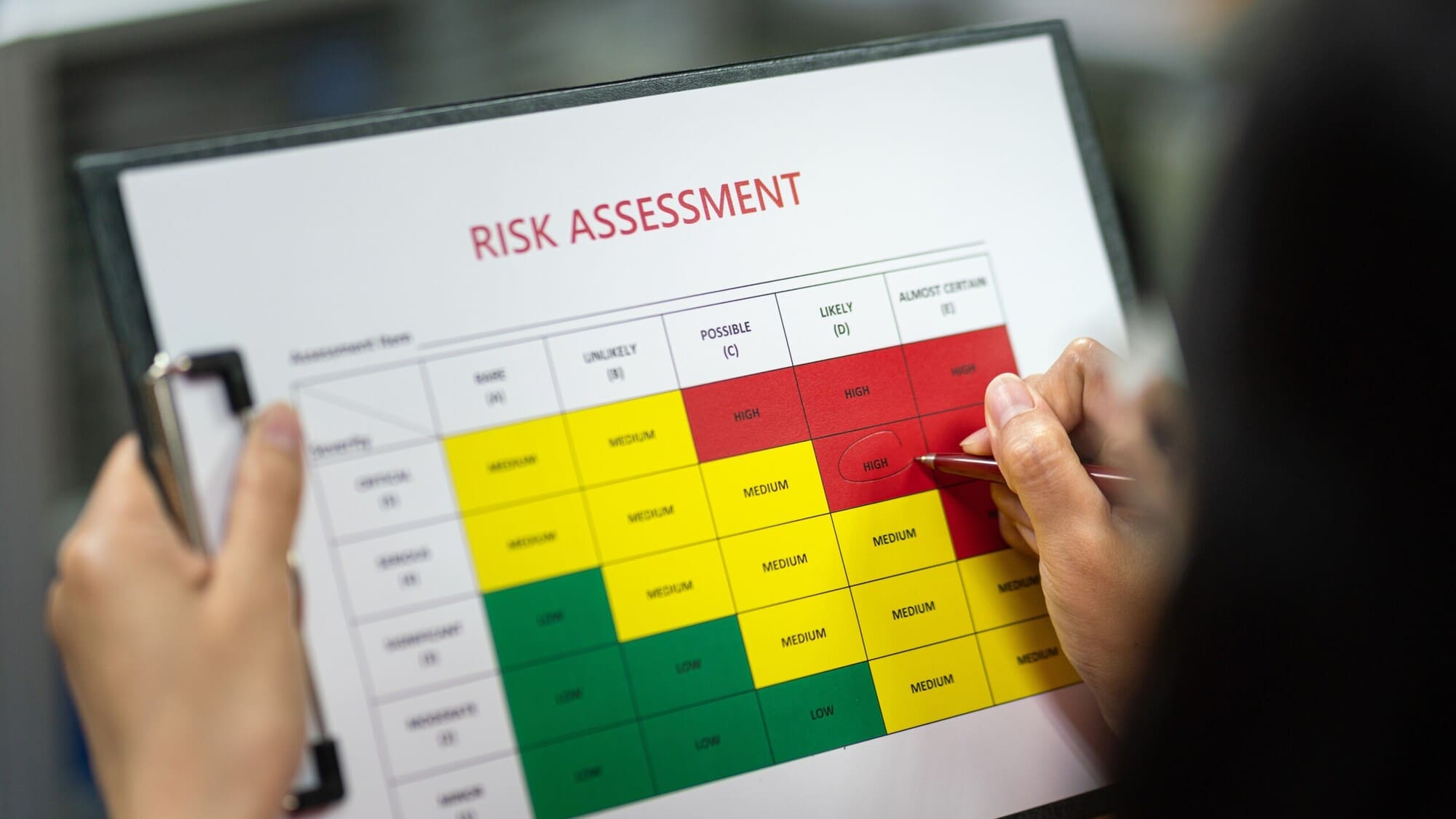
Financial planning is more than just managing money—it is a disciplined approach to setting, achieving, and maintaining financial goals throughout your life. Whether you are just starting your career, planning for your family’s future, or preparing for retirement, having a clear financial plan can provide peace of mind and long-term stability. This article explores what financial planning is, why it is essential, the key steps involved, and practical strategies for successful financial management.
What is Financial Planning?

Financial planning is the process of organizing your finances to meet life goals. It involves evaluating your current financial situation, identifying your objectives, and creating a roadmap to achieve them. Unlike simple budgeting, financial planning encompasses a broader spectrum of activities including saving, investing, tax planning, retirement planning, insurance, and estate planning.
The core idea of financial planning is to ensure that your money works for you, instead of you constantly working for money. It requires discipline, foresight, and adaptability, especially in today’s dynamic economic environment where unexpected expenses or changes in income are common.
Why Financial Planning is Important

There are several reasons why financial planning is crucial:
- Achieve Financial Goals
Without a plan, financial goals remain abstract. Whether it’s buying a home, funding your children’s education, or retiring comfortably, a financial plan provides a clear path to accomplish these objectives. - Avoid Debt and Manage Risks
Poor financial management can lead to unmanageable debt and financial stress. Planning helps you prepare for emergencies, such as medical expenses or job loss, by building savings and insurance coverage. - Peace of Mind
Knowing that your finances are under control reduces anxiety and allows you to focus on other aspects of life. It creates confidence in making life decisions. - Wealth Creation
Strategic financial planning involves investing wisely to grow your wealth over time. Compounding, disciplined savings, and investment diversification can significantly improve long-term financial outcomes. - Retirement Security
Many people underestimate the cost of living after retirement. Proper planning ensures you have enough resources to maintain your lifestyle and cover unexpected expenses later in life.
Steps in Financial Planning
Financial planning is a step-by-step process that requires careful evaluation and continuous monitoring. Here are the essential steps:
1. Assess Your Current Financial Situation
Start by reviewing your income, expenses, savings, debts, and investments. Understanding where you stand financially is the foundation of any good plan. Tools like a personal balance sheet or cash flow statement can be very helpful.
2. Define Your Financial Goals
Goals give direction to your financial decisions. They can be short-term (saving for a vacation), medium-term (buying a car), or long-term (retirement, buying a house). Goals should be specific, measurable, achievable, realistic, and time-bound (SMART).
3. Create a Budget
Budgeting helps you manage income and expenses effectively. Allocate funds for essentials, discretionary spending, and savings. A well-structured budget ensures you live within your means while saving for future goals.
4. Build an Emergency Fund
Unexpected situations can disrupt financial stability. An emergency fund, usually covering three to six months of living expenses, provides a safety net without relying on debt.
5. Manage Debt Wisely
High-interest debt can erode your financial health. Prioritize paying off debts and avoid unnecessary borrowing. Smart debt management involves consolidating loans, reducing interest rates, and maintaining a low debt-to-income ratio.
6. Plan for Taxes
Effective financial planning includes tax management. Understanding tax obligations and leveraging exemptions or deductions can save substantial money over time.
7. Invest Strategically
Investing is crucial for wealth creation. Depending on risk tolerance and time horizon, investments may include stocks, bonds, mutual funds, real estate, or retirement accounts. Diversification reduces risk while maximizing potential returns.
8. Protect Yourself with Insurance
Insurance shields you from financial loss due to accidents, illness, or death. Life insurance, health insurance, and disability coverage are essential components of a financial plan.
9. Plan for Retirement
Retirement planning involves estimating future expenses, setting aside funds, and investing in retirement accounts. Starting early allows compound interest to work in your favor, ensuring a comfortable post-retirement life.
10. Review and Adjust
Financial planning is not static. Life changes—new job, marriage, children, or economic shifts—require revisiting your plan. Regular reviews ensure that your strategy remains aligned with your goals.
Practical Financial Planning Strategies
To make financial planning effective, consider these practical strategies:
- Automate Savings: Set up automatic transfers to savings or investment accounts. This reduces the temptation to spend and ensures consistent saving habits.
- Live Below Your Means: Avoid lifestyle inflation. Just because your income increases doesn’t mean your spending should follow the same pace.
- Track Expenses: Regularly monitor where your money goes. Small leaks in spending can accumulate into significant losses over time.
- Invest in Education: Understanding financial concepts helps make informed decisions and avoid costly mistakes.
- Diversify Investments: Avoid putting all your money in one asset. Spread risk across different investment options.
- Seek Professional Advice: Financial advisors or planners can offer guidance tailored to your situation, especially for complex matters like taxes, estate planning, or retirement funds.
Common Mistakes in Financial Planning
Even with the best intentions, people often make errors that compromise their financial plans:
- Ignoring Emergencies: Not having an emergency fund can force reliance on credit cards or loans.
- Delaying Retirement Savings: Waiting to invest for retirement reduces the benefits of compound interest.
- Overlooking Insurance Needs: Lack of proper insurance exposes you to high financial risks.
- Impulse Spending: Frequent unnecessary purchases can derail long-term goals.
- Failing to Adjust Plans: Life changes require financial plans to be updated. Ignoring these can make your plan irrelevant.
The Role of Discipline and Mindset
Financial planning is as much about mindset as it is about numbers. Discipline, patience, and delayed gratification are key traits for successful financial management. Building wealth requires consistent effort over time, resisting the urge for instant rewards, and making informed choices.
Developing a healthy relationship with money also involves understanding your values. Financial goals aligned with personal priorities—such as family, education, or security—tend to be more meaningful and easier to achieve.
Conclusion
Financial planning is not just a tool for the wealthy; it is a necessity for anyone who wishes to secure their financial future. By understanding your current situation, setting clear goals, managing expenses, investing wisely, and protecting yourself against risks, you can build a roadmap for financial stability and growth.
Remember, the sooner you start planning, the greater the benefits you will reap. Life is unpredictable, but a well-thought-out financial plan provides a strong foundation to handle challenges, seize opportunities, and achieve your dreams with confidence.