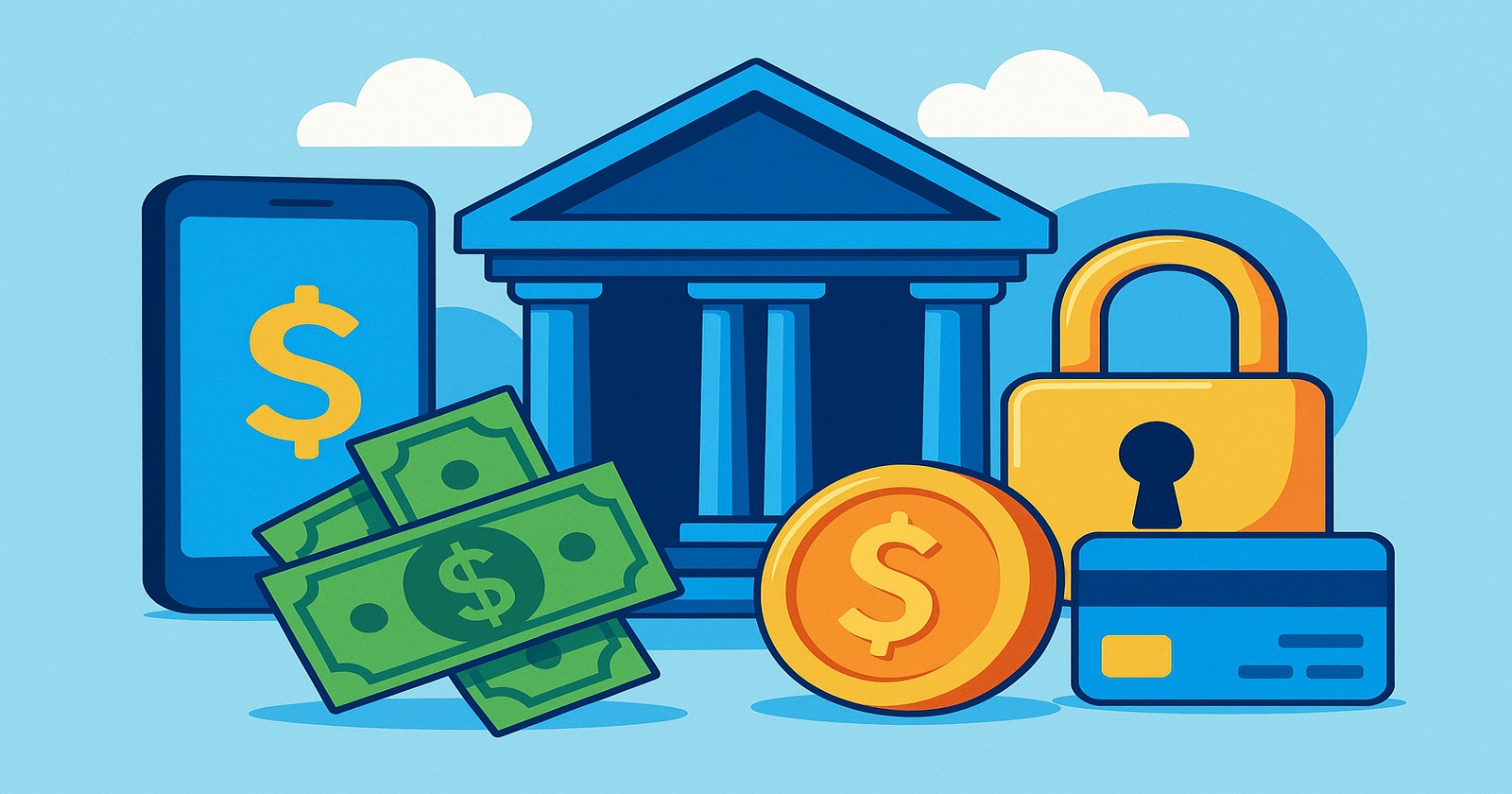

Banking is a cornerstone of modern economies. It serves as the lifeline for individuals, businesses, and governments by providing essential financial services. Over centuries, banking has evolved from simple money lending to a complex network of financial institutions offering a wide array of services. In this article, we explore the different types of banking, their functions, the benefits they provide, and their impact on society and the economy.
What is Banking?

At its core, banking is the business of managing money. It involves accepting deposits, providing loans, and offering financial services to clients. Banks act as intermediaries between those who have surplus funds and those who require funds. By doing so, they ensure that money circulates efficiently within an economy.
Banking is not just about storing money safely; it encompasses a wide range of services including wealth management, currency exchange, investment opportunities, and digital transactions. The growth of technology has further expanded banking services, making them more accessible to a global audience.
History of Banking
The concept of banking dates back thousands of years. Ancient civilizations, such as Mesopotamia and Egypt, had rudimentary banking systems where people could store grain or precious metals for safekeeping. These early forms of banking primarily focused on protecting wealth and facilitating trade.
During the Renaissance, modern banking systems began to take shape in Europe. Italian cities like Florence, Venice, and Genoa developed financial institutions that provided loans, accepted deposits, and issued promissory notes. Over time, banking evolved into structured institutions with regulatory oversight, providing a foundation for modern financial systems worldwide.
Types of Banking
Banking can be categorized into several types, each serving distinct purposes:
1. Retail Banking
Retail banking, also known as consumer banking, caters to individuals and small businesses. It provides services such as savings accounts, checking accounts, personal loans, credit cards, and mortgages. Retail banks aim to make financial services accessible to the general public, helping individuals manage their daily financial needs efficiently.
2. Commercial Banking
Commercial banking focuses on serving businesses and corporations. Services include business loans, cash management, credit lines, and trade financing. Commercial banks help companies manage their finances, expand operations, and invest in growth opportunities. They play a crucial role in supporting entrepreneurship and economic development.
3. Investment Banking
Investment banking involves helping companies, governments, and institutions raise capital. Investment banks provide advisory services, facilitate mergers and acquisitions, and manage initial public offerings (IPOs). Unlike retail or commercial banks, investment banks primarily deal with large-scale financial transactions and complex investment strategies.
4. Central Banking
Central banks are the regulatory authorities of a country’s financial system. They control the money supply, set interest rates, and regulate commercial banks to maintain financial stability. Central banks, such as the Federal Reserve in the United States or the Reserve Bank of India, play a critical role in shaping economic policies and ensuring a stable financial environment.
5. Digital Banking
Digital banking has emerged as a modern evolution of traditional banking. It leverages technology to provide online and mobile banking services. Customers can check balances, transfer funds, pay bills, and access financial tools without visiting a physical branch. Digital banking has increased convenience, reduced costs, and expanded access to financial services worldwide.
Functions of Banks
Banks perform a variety of functions that are vital to both individuals and the economy:
- Accepting Deposits: Banks provide a safe place for people to store money. Deposits can be in the form of savings accounts, current accounts, or fixed deposits, offering security and interest income.
- Providing Loans: Banks lend money to individuals, businesses, and governments. Loans enable people to buy homes, finance education, and start businesses, stimulating economic growth.
- Wealth Management: Banks offer investment advice, retirement planning, and portfolio management services, helping clients grow and manage their wealth effectively.
- Currency Exchange: Banks facilitate the exchange of different currencies, enabling international trade and travel.
- Payment Services: Banks provide tools for seamless transactions, including debit and credit cards, checks, online transfers, and mobile payments.
- Financial Inclusion: By providing access to banking services, banks empower underserved populations, promoting equality and economic development.
Benefits of Banking
Banking brings multiple benefits to individuals, businesses, and society as a whole:
- Security: Banks protect money from theft, loss, or damage. They provide a secure environment for savings and investments.
- Convenience: With online and mobile banking, financial management becomes easy and efficient.
- Economic Growth: By lending money for business and personal needs, banks fuel economic development.
- Access to Capital: Entrepreneurs and businesses gain access to the funds needed to innovate, expand, and create jobs.
- Financial Planning: Banks provide guidance on managing finances, investing, and planning for the future.
Challenges Facing Modern Banking
Despite its benefits, the banking sector faces several challenges:
- Regulatory Compliance: Banks must adhere to complex regulations to maintain financial stability and prevent fraud.
- Technological Threats: Cybersecurity risks are a major concern, especially with the rise of digital banking.
- Economic Fluctuations: Banks are vulnerable to economic cycles, interest rate changes, and market instability.
- Customer Trust: Maintaining trust is crucial, as scandals or mismanagement can severely impact reputation.
- Competition from Fintech: New financial technology companies are challenging traditional banks by offering faster, cheaper, and more innovative solutions.
The Future of Banking
The future of banking is likely to be shaped by technology, sustainability, and changing customer expectations. Key trends include:
- Artificial Intelligence: AI can enhance customer service, detect fraud, and personalize financial advice.
- Blockchain Technology: Blockchain offers secure, transparent, and decentralized financial transactions.
- Sustainable Banking: Banks are increasingly focusing on environmentally responsible investments and green financing.
- Inclusive Finance: Efforts are being made to provide banking services to underserved populations globally.
As banks continue to innovate and adapt, they remain a crucial pillar of the economy, ensuring that money flows efficiently and supporting both personal and national financial goals.
Conclusion
Banking is far more than just a place to store money. It is an intricate system that drives economic growth, enables personal financial management, and fosters business development. From traditional savings accounts to digital banking platforms, the sector continues to evolve, responding to the needs of a changing world. Understanding banking is essential not only for financial literacy but also for appreciating the role it plays in shaping our daily lives and the global economy.