
In the legal landscape, pursuing justice can often be a costly endeavor. Litigation involves numerous expenses, ranging from attorney fees to court costs, expert witnesses, and administrative charges. For many individuals and businesses, these financial demands can make the pursuit of a legal claim seem overwhelming or even impossible. This is where case funding emerges as a vital solution. Case funding, also known as litigation financing or legal funding, is a mechanism through which third-party funders provide financial support to plaintiffs involved in legal disputes. This article explores the concept of case funding, how it works, its benefits, risks, and the broader implications for access to justice.
What is Case Funding?
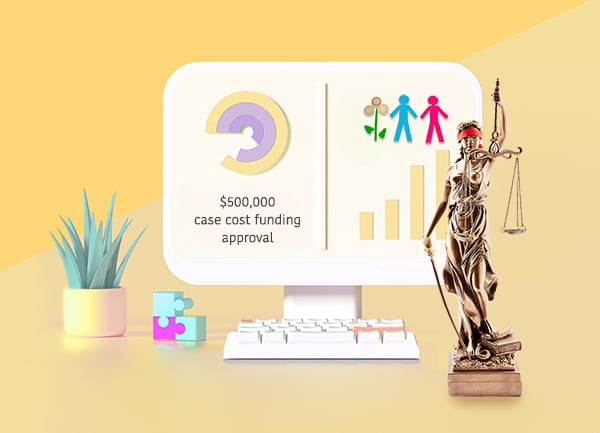
Case funding refers to a financial arrangement where a third-party investor provides monetary support to a plaintiff to cover the costs of litigation. This type of funding is typically non-recourse, meaning that the plaintiff is not obligated to repay the funder if the case is unsuccessful. Essentially, the funder assumes the risk of losing their investment, making it a unique form of financial support within the legal system.
Traditionally, plaintiffs seeking justice had to rely on personal savings, loans, or credit to finance their legal battles. However, these methods often put significant financial strain on individuals and can limit their ability to pursue complex or prolonged cases. Case funding addresses this problem by providing resources upfront, allowing plaintiffs to focus on their legal strategy rather than worrying about mounting expenses.
How Case Funding Works
The process of case funding generally involves several key steps:
- Application: The plaintiff or their attorney submits an application to a litigation funding company. This application typically includes details about the case, potential damages, legal strategy, and estimated costs.
- Evaluation: The funding company evaluates the merits of the case. This evaluation involves assessing the likelihood of success, potential settlement value, and the risks associated with the litigation.
- Agreement: If the case is deemed fundable, a financing agreement is drafted. This document outlines the terms of the funding, including the amount provided, repayment conditions, and fees or profit-sharing arrangements.
- Funding: Once the agreement is finalized, the funder provides the financial support, which can be used for attorney fees, court costs, expert witnesses, or even personal expenses for the plaintiff during the litigation period.
- Resolution: If the case results in a successful judgment or settlement, the funder receives a predetermined portion of the proceeds. If the case is unsuccessful, the plaintiff typically owes nothing, protecting them from financial liability.
Types of Case Funding
Case funding can take several forms, depending on the needs of the plaintiff and the structure of the agreement. The most common types include:
- Pre-settlement funding: This type of funding is provided while the case is ongoing and can cover legal fees, living expenses, or other financial needs until the case reaches a settlement or verdict.
- Post-settlement funding: Some funders offer advances on settlements that have been agreed upon but not yet paid out. This can help plaintiffs access funds more quickly.
- Commercial litigation funding: This type focuses on businesses involved in legal disputes. It can cover large-scale commercial claims, intellectual property litigation, or contract disputes.
- Class action funding: In cases involving multiple plaintiffs, case funding can help cover collective legal costs and administrative expenses associated with managing a class action lawsuit.
Benefits of Case Funding
Case funding offers several notable advantages for plaintiffs and the legal system as a whole:
- Access to Justice: One of the most significant benefits is that it enables individuals and businesses who may not have sufficient resources to pursue their legal rights. By removing financial barriers, case funding promotes fairer access to the courts.
- Risk Mitigation: Since most case funding arrangements are non-recourse, plaintiffs are protected from financial liability if their case is unsuccessful. This shifts the risk from the plaintiff to the funder.
- Improved Legal Strategy: With financial constraints reduced, plaintiffs can focus on building a strong legal case. They can afford expert witnesses, thorough investigations, and other resources that may enhance their chances of success.
- Financial Stability: For individuals relying on litigation funding, this support can provide necessary living expenses while their case is ongoing. It prevents financial hardship and allows plaintiffs to maintain stability during a stressful period.
- No Debt Accumulation: Unlike traditional loans, case funding does not accumulate interest or require regular repayments. The repayment is contingent on the outcome of the case, which can be a significant advantage over borrowing money for litigation.
Risks and Considerations
While case funding offers substantial benefits, it is not without risks and considerations:
- Cost: Funders typically charge a fee or take a percentage of the settlement, which can sometimes be substantial. Plaintiffs should carefully review the terms of the agreement to ensure the arrangement is financially viable.
- Loss of Control: In some cases, funders may influence legal strategy or settlement decisions, particularly if their financial stake is high. It is crucial for plaintiffs to retain control over their legal decisions.
- Ethical Concerns: Critics argue that case funding may incentivize prolonged litigation or settlements that benefit funders more than plaintiffs. Ethical considerations for attorneys and funders are essential to maintaining fairness.
- Eligibility: Not all cases are fundable. Funders generally look for strong cases with high chances of success and substantial potential awards. Plaintiffs with uncertain or weak cases may not qualify for funding.
The Impact on the Legal Industry
Case funding has grown rapidly in recent years, particularly in jurisdictions where litigation costs are high and access to justice is a concern. Its impact on the legal industry includes:
- Encouraging Fair Settlements: With financial backing, plaintiffs are less likely to settle prematurely due to financial pressure. This can lead to more equitable outcomes.
- Expanding Legal Markets: Case funding has opened opportunities for specialized litigation funders, creating a niche market within the broader financial and legal sectors.
- Influencing Legal Strategies: Attorneys may adjust their approach knowing that plaintiffs have funding support. Complex or long-term litigation that might have been unfeasible can now be pursued.
- Regulatory Developments: As the industry grows, governments and legal organizations are considering regulations to ensure transparency, fairness, and ethical conduct in litigation funding agreements.
Conclusion
Case funding represents a transformative tool in modern litigation. By providing financial support to plaintiffs, it not only eases the burden of legal costs but also promotes access to justice and allows stronger, more strategic legal advocacy. While it comes with certain risks, careful evaluation, ethical considerations, and clear agreements can make case funding a powerful ally for individuals and businesses seeking justice. As awareness of this option grows, it is likely to continue reshaping the way legal disputes are financed, making the pursuit of justice more attainable for all.